
How to Spot Authentic Antique Pieces for Your Home
- Vintage Home Stores
- Aug 3, 2025
- 4 min read
When decorating your home with timeless charm, authentic antiques add character and history that modern pieces simply cannot replicate. However, distinguishing genuine antiques from reproductions or fakes can be challenging. This guide will help you develop a keen eye for spotting authentic antique pieces, ensuring your investment is both beautiful and valuable.
Understanding What Makes Antiques Authentic
Authentic antiques are items that are at least 100 years old and have been crafted using traditional methods and materials. These pieces often show signs of age and use, which contribute to their unique character.
Key Characteristics of Authentic Antiques
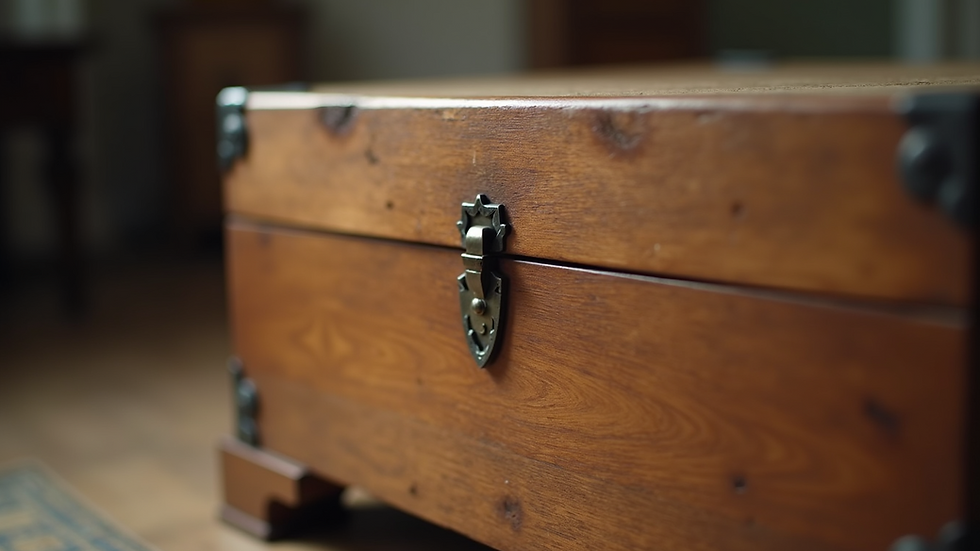
Materials: Older pieces are typically made from solid wood like oak, mahogany, or walnut. The wood may have a rich patina developed over decades.
Craftsmanship: Hand-carved details, dovetail joints, and hand-forged nails or screws are indicators of authenticity.
Wear and Tear: Genuine antiques show natural wear in places like edges, handles, and feet. This wear is consistent with the piece’s age.
Finish: Original finishes may be slightly uneven or cracked due to age, unlike modern smooth finishes.
By familiarizing yourself with these traits, you can better evaluate whether a piece is truly antique or a modern reproduction.

Tips for Identifying Authentic Antiques
Spotting authentic antiques requires a combination of knowledge, observation, and sometimes expert advice. Here are practical tips to help you identify genuine pieces:
1. Examine the Construction
Look closely at how the piece is put together. Antique furniture was made before the industrial revolution, so it often features:
Dovetail joints: These interlocking joints are hand-cut and slightly irregular.
Hand-forged nails and screws: These are uneven and may have square heads.
Tool marks: Small imperfections from hand tools are common.
2. Check for Signs of Age
Authentic antiques will have natural signs of aging such as:
Patina: A soft sheen on wood surfaces caused by years of polishing and exposure.
Wear in logical places: Edges, drawer handles, and feet often show wear.
Wood shrinkage or warping: Wood changes shape over time, which is hard to fake.
3. Look for Maker’s Marks or Labels
Many antique pieces have stamps, labels, or signatures from the maker. These can be found on the back, underside, or inside drawers. Researching these marks can help verify authenticity and origin.
4. Use a Magnet
Magnets can help identify metal parts. Modern screws and nails are often magnetic, while older hand-forged nails may not be. This simple test can reveal if parts have been replaced.
5. Consult Experts or Use Reference Books
If you’re unsure, seek advice from antique dealers or appraisers. Reference books and online databases can also provide valuable information about styles, makers, and periods.
How to Care for Authentic Antiques
Once you have identified authentic antiques, proper care is essential to preserve their beauty and value.
Cleaning and Maintenance
Use a soft, dry cloth to dust regularly.
Avoid harsh chemicals or water-based cleaners that can damage wood finishes.
Apply wax polish occasionally to maintain the patina and protect the surface.
Handling and Placement
Place antiques away from direct sunlight to prevent fading.
Keep them in stable environments with moderate humidity to avoid cracking or warping.
Use felt pads under legs to protect floors and reduce wear.
Repair and Restoration
Minor repairs should be done by professionals experienced in antique restoration.
Avoid over-restoring, which can reduce the piece’s value.
Preserve original hardware and finishes whenever possible.
Proper care ensures your antiques remain stunning and retain their historical significance for years to come.
Where to Find Authentic Antique Pieces
Finding authentic antiques requires patience and a discerning eye. Here are some reliable sources:
Antique shops and fairs: These often have vetted pieces with provenance.
Estate sales and auctions: Great places to find unique items, but research is key.
Reputable online dealers: Websites specializing in antiques can offer detailed descriptions and authenticity guarantees.
Specialist stores: For example, antique furniture stores often curate collections of genuine pieces.
Visiting multiple sources and comparing items will help you find the perfect authentic antique for your home.

Enhancing Your Home with Authentic Antiques
Incorporating authentic antiques into your home décor adds warmth, history, and a unique story to your living space. Here are some ideas to showcase your finds:
Mix old and new: Pair antiques with modern furniture for an eclectic look.
Create focal points: Use a statement antique piece like a cabinet or mirror to draw attention.
Highlight craftsmanship: Place items where their details can be appreciated, such as a carved chair in a reading nook.
Use antiques functionally: Incorporate them as everyday furniture to enjoy their beauty and utility.
By thoughtfully integrating authentic antiques, you create a home that reflects timeless elegance and personal style.
With these tips and insights, you are now better equipped to spot authentic antique pieces and bring a touch of history into your home. Whether you are a seasoned collector or just starting, the joy of owning genuine antiques is unmatched. Happy hunting!


